 I’m about to head off on a nearly week long work trip during the height of fall activities. This means an extra church school vacation day for the kiddos (who are more than willing to sacrifice their lessons for a chance to enjoy the crisp fall weather outside). At home it means I am making lists of lists to make sure everything is taken care of and prepped for my absence. There are shared electronic lists so I can check in easily to see if everything is done, paper chains to count down the sleeps until mom is home, and extra chore checklists easily at eye level as an extra reminder for mom’s animal chores.
And while every conversation about the trip may begin with discussions of everyone’s responsibilities, each ends with reassurances about my return. The date, the time, the method are all vitally important to this conversation which invariably ends with my assurance, “remember, mom always comes back.” While my daughters may want reassurances as to when my return will be, they trust and believe in my promise to return because I’ve always followed through on that promise in the past.
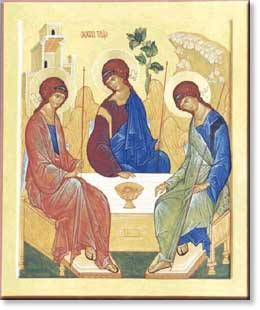
My St Mary’s students learned about God’s Promise or Covenant with Abraham during church school this week. Just as my children believe me when I say I’ll come home, Abraham believed God’s promise, no matter how far-fetched it seemed at the time, that he and Sarah would have a child. He was willing to move himself and his wife away from everything they knew to follow this promise. This was a much harder concept for me, an adult, to wrap my head around than for my students. As we’ve been repeating the “mom always comes back” script this week I realized this is because my students are used to trusting their parents’ word. They understand why then Abraham would trust the God he called Abba, or Father. I’m sure when my students are older discussing the same story with their children, they’ll have the same epiphany and will be brought to stunned silence that their children learned the lesson long before it was taught.
 Raising Our Marys and Jacobs